In this post, we would like to highlight the advantages and risks, and challenges
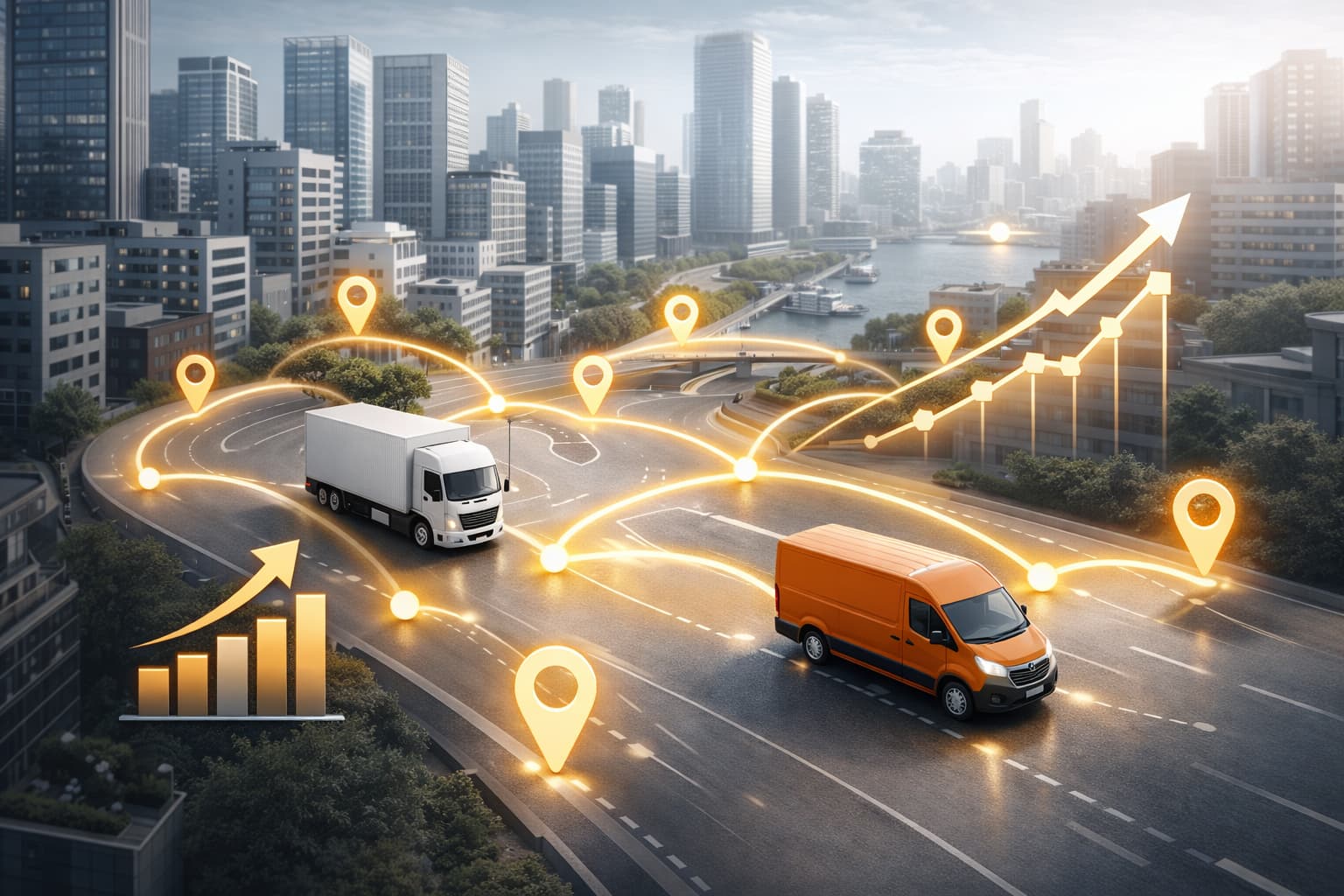
Opportunities:
✅ More efficient solutions:
The third party is fully focused on AI + advanced optimization, with dedicated resources to build smarter routing than most delivery companies can.
✅ State-of-the-art stays current:
They can release frequent updates and keep up with new techniques
✅ Faster time-to-value:
Instead of building an optimization team from scratch, you can improve routing much faster by integrating an existing engine.
✅ Proven experience across clients:
Vendors often learn from multiple use cases and industries, which helps them improve quicker.
✅ Operational focus:
Your team can spend more time on operations and customer experience, while the provider improves the routing “brain.”
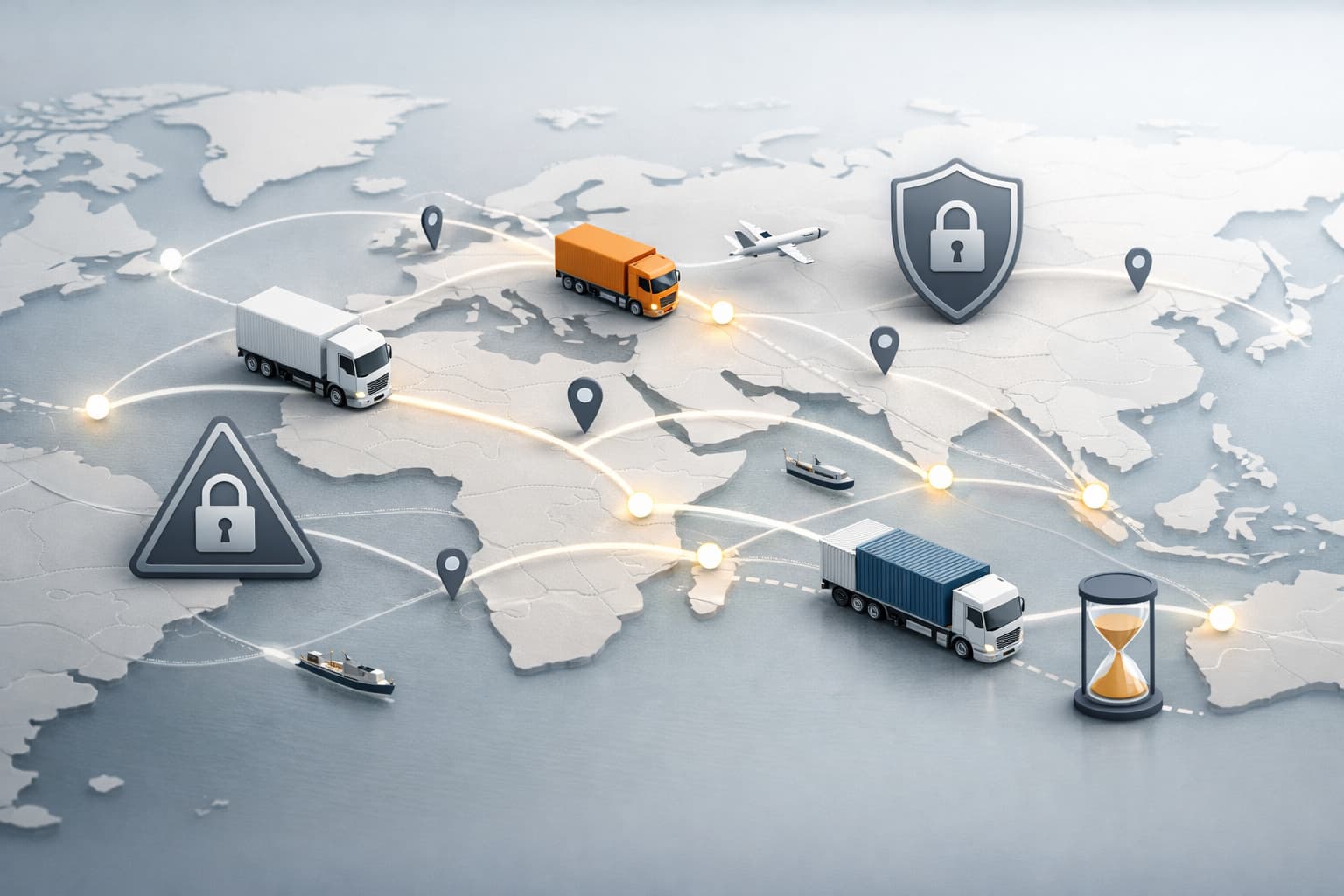
Here are the key risks, and what to ask for to feel confident.
❌ Vendor & availability risk
Unless the provider offers an SLA like 99.9% availability and support for fallback options.
❌ Unpredictable costs
Unless it provides transparent pricing + usage limits/alerts, costs can spike due to retries and frequent re-optimisation.
❌ Data quality
Unless it offers a free trial for real data validation + an analytics dashboard to continuously monitor input/output quality.
❌ Constraint mismatch (ops reality vs solver model)
Unless it supports your real-world constraints (time windows, breaks, vehicle limits) and helps validate them with test scenarios.
❌ Latency & scalability bottlenecks
Unless it can guarantee performance under peak load.
❌ ETA trust & customer experience risk
Unless it provides ETA calibration/monitoring tools (accuracy KPIs, drift detection).
❌ Privacy & security exposure
Unless it runs a secure-by-design infrastructure and fully respects GDPR.
Route optimization APIs can be a powerful option, but the winners are the teams that integrate them with the right safeguards, visibility, and operational control.
Are you thinking about making your delivery platform smarter?